How Virtual Training Simulations Are Refining User Strategies Across Equine and Digital Competition Platforms
Tina Frank · Oct 29, 2026
How Virtual Training Simulations Are Refining User Strategies Across Equine and Digital Competition Platforms
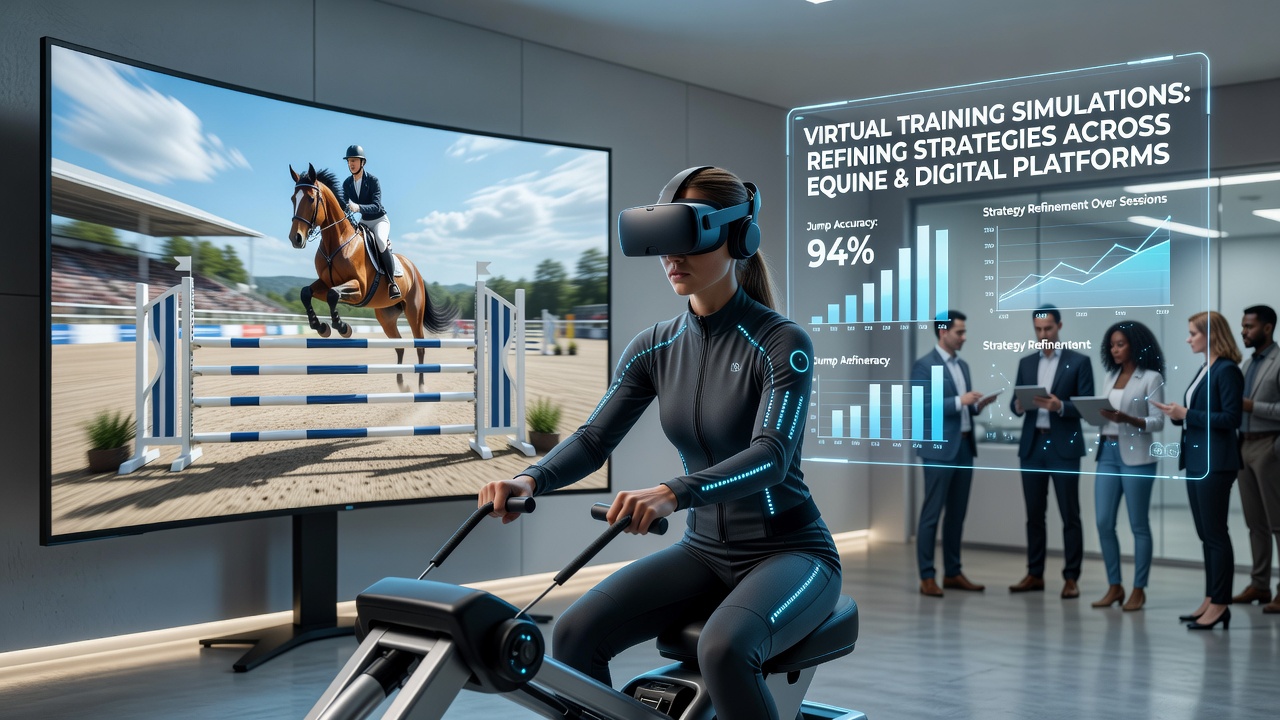
Virtual training simulations have become central tools for athletes and competitors working across equine disciplines and digital platforms, where users refine decision-making processes through repeated exposure to dynamic scenarios that mirror real-world variables without physical risk. Researchers at institutions focused on sports technology have documented how these systems collect granular data on timing, positioning, and response patterns, then feed that information back to participants so they can adjust strategies before entering actual events. As of October 2026, integration between motion-capture hardware and predictive algorithms has accelerated, allowing equine riders and digital competitors alike to practice sequences that once required live sessions or tournament matches.
Equine Training Applications
Equine sports rely on precise coordination between rider and horse, and simulation platforms now replicate track conditions, obstacle layouts, and competitor movements with high fidelity. One study from the Australian Equine Performance Centre tracked riders who completed weekly virtual sessions and found measurable gains in stride synchronization and obstacle clearance rates when they returned to physical training. These platforms incorporate historical performance records from events worldwide, enabling users to rehearse against virtual representations of specific horses and riders they might face in upcoming competitions. Observers note that the ability to pause, rewind, and analyze each decision point helps participants identify patterns they overlook during live rides, such as subtle shifts in weight distribution that affect balance at takeoff.
Digital Competition Platforms
Digital environments, including esports titles and strategy-based simulations, use similar virtual training modules to prepare competitors for high-stakes matches. Teams in competitive gaming leagues have adopted scenario generators that recreate opponent tactics drawn from thousands of past matches, then allow players to test counter-strategies in accelerated time. Data shared by the European Interactive Software Federation shows that participants who log consistent hours in these simulators demonstrate faster reaction times and improved resource allocation during live tournaments. The systems track eye movements, keystroke efficiency, and decision trees, presenting users with heat maps that highlight areas where their choices deviate from optimal paths identified through aggregate analysis.
Cross-Platform Strategy Refinement
Connections between equine and digital training tools have grown stronger as developers borrow analytical frameworks from one domain to enhance the other. For instance, algorithms originally designed to predict horse fatigue under varying track conditions now inform stamina models in endurance-focused digital games, while real-time feedback loops from gaming interfaces have been adapted to provide riders with immediate cues about posture and timing. People who work with both types of platforms often discover that the core skills of pattern recognition and adaptive planning transfer directly, because each environment rewards the same capacity to process changing information and select responses that maximize long-term outcomes. A report issued by the Canadian Institute for Sport Innovation in 2026 highlighted several cases where athletes who trained across both equine and digital simulations achieved higher consistency scores in their primary discipline compared with peers who used only traditional methods.
Data Integration and Feedback Mechanisms
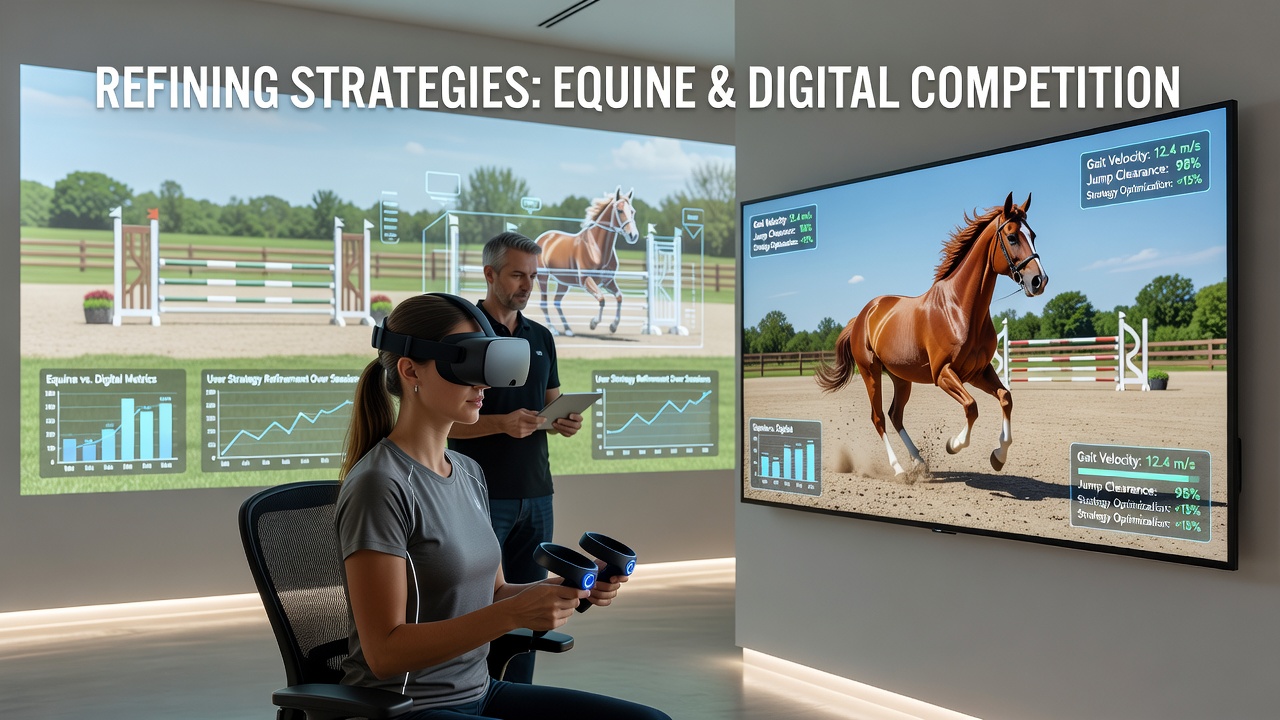
Modern simulation platforms aggregate data from sensors, video analysis, and user inputs to generate personalized training regimens. Equine systems might combine heart-rate variability from horses with rider biomechanics to flag moments when fatigue influences judgment, while digital platforms overlay similar metrics onto player avatars to reveal when cognitive load begins to impair performance. Those who have examined these datasets emphasize that the value lies not in the volume of information but in how clearly it translates into actionable adjustments. Simulation software now presents findings through visual dashboards that break complex sequences into discrete decision nodes, making it easier for users to isolate the exact variables that produced better or worse results. This structured approach has led organizations such as the International Equestrian Technology Association to recommend simulation-based preparation as a standard component of athlete development programs.
Future Developments in October 2026
By October 2026, several platforms had introduced collaborative simulation modes where equine and digital competitors train together in shared virtual spaces, testing hybrid strategies that blend physical and screen-based tactics. These environments allow riders to practice communication protocols with virtual teammates while gamers refine coordination under conditions that simulate variable latency and environmental interference. Academic papers published through the University of Melbourne’s Centre for Digital Sport Studies indicate that such mixed-reality sessions produce faster skill acquisition than isolated training because participants must adapt to unfamiliar response patterns from both human and algorithmic opponents. The continued refinement of these tools depends on ongoing collaboration between hardware manufacturers, data scientists, and domain experts who ensure that simulated conditions remain grounded in measurable performance indicators rather than abstract models.
Conclusion
Virtual training simulations continue to shape how competitors approach strategy across equine and digital domains by supplying repeatable, data-rich environments that isolate key variables and accelerate learning cycles. The measurable improvements recorded in multiple studies demonstrate that these platforms function as extensions of traditional preparation rather than replacements, offering users the opportunity to rehearse high-pressure decisions until responses become more consistent. As integration between the two fields deepens, the shared emphasis on adaptive planning and precise execution suggests that future advancements will further blur the boundaries between physical and digital training spaces while maintaining focus on verifiable performance gains.