Currency Fluctuation Effects on International User Participation in Mobile Platforms Offering Simultaneous Football Predictions and Poker Tournaments
Lars Franke · Nov 12, 2026

Currency Fluctuation Effects on International User Participation in Mobile Platforms Offering Simultaneous Football Predictions and Poker Tournaments
Platforms that combine live football predictions with poker tournaments on single mobile applications have drawn participants from dozens of countries, and those users encounter direct impacts when exchange rates shift. Currency movements alter the real cost of deposits, the value of winnings, and the perceived risk levels attached to each session, which in turn changes participation rates across regions.
Mechanics of Currency Impact on Mobile Wagering
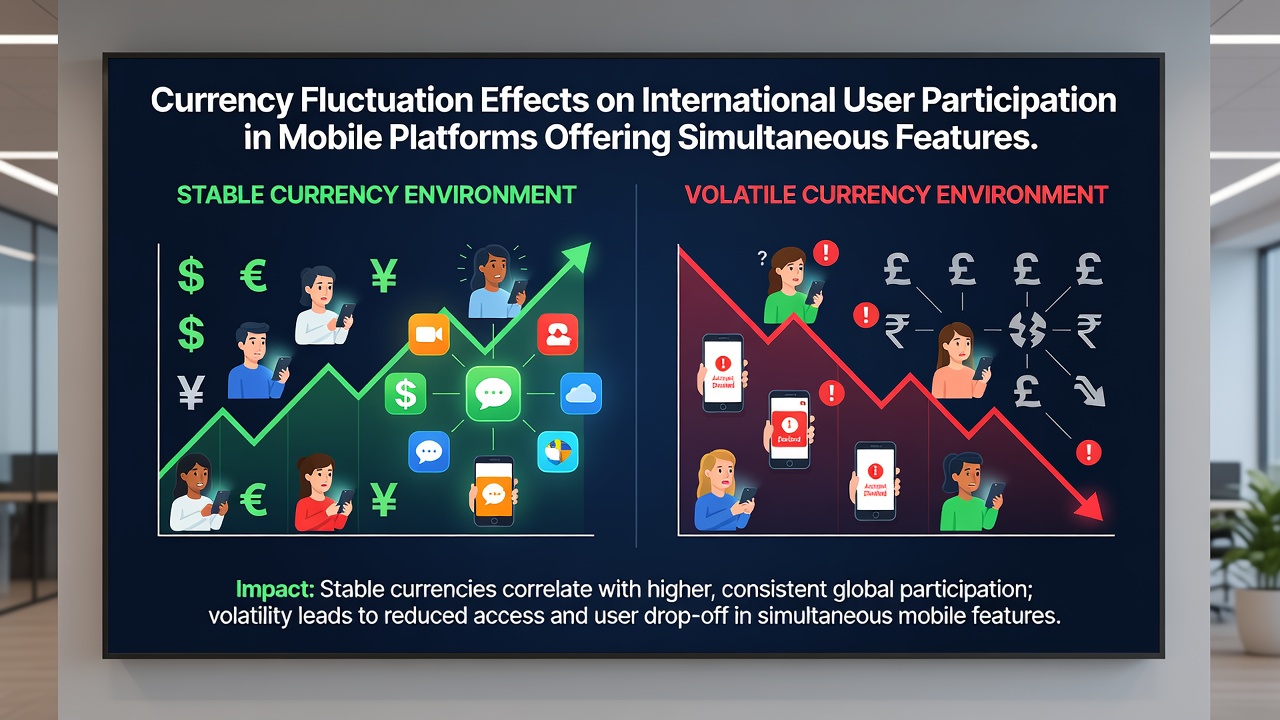
Users fund accounts in their local currency while the platform converts balances into a base unit, often the euro or US dollar, and every swing in the exchange rate modifies how much a given deposit actually purchases. A weakening local currency raises the effective price of entering a poker tournament or placing a multi-leg football prediction, whereas a strengthening currency lowers that threshold and can lift activity levels quickly. Data from payment processors show that transaction volumes on integrated apps respond within hours to major forex movements reported by central banks.
Regional Patterns Observed in 2025 and 2026
Analysts tracking activity in Latin American markets note that periods of Brazilian real depreciation coincide with reduced poker table occupancy from that region, even as football prediction volume holds steadier because minimum stakes remain lower. In contrast, participants from countries whose currencies gained against the dollar during the same intervals increased both deposit frequency and average session length. Observers at the Bank of Canada have documented similar patterns among Canadian users, where loonie fluctuations against the euro produced measurable changes in cross-border poker entry rates during the autumn months of 2025.
Simultaneous Product Effects and User Behavior
Because these platforms allow users to switch between football predictions and poker tournaments within the same interface, currency changes affect the two offerings differently. Football prediction markets often feature smaller incremental stakes that remain accessible even when a local currency weakens, while poker tournaments carry fixed buy-in amounts that become proportionally more expensive. Researchers tracking user flow between the two products report that participants migrate toward lower-stake football options during depreciation episodes, then return to poker once exchange rates stabilize. This migration pattern repeats across multiple currency pairs and appears in aggregated session data from operators active in both European and Asia-Pacific markets.
November 2026 Context and Platform Adjustments
As November 2026 approaches, several operators have introduced real-time currency conversion displays inside their apps so users can see the local-currency equivalent of each buy-in before committing funds. These tools emerged after internal metrics revealed that surprise exchange-rate gaps correlated with higher abandonment rates at the deposit screen. Industry reports indicate that platforms incorporating live forex feeds retained higher percentages of international users during volatile periods compared with those that did not. Regulatory filings in Australia and Singapore show that operators must now disclose conversion fees at the point of deposit, a requirement that further shapes how currency movements translate into participation changes.
Data Sources and Measurement Approaches
Studies compiled by the International Monetary Fund link broader forex volatility indexes to shifts in digital entertainment spending across borders, and several of those same indexes track closely with mobile gaming deposit volumes. A working paper from the University of Melbourne examined six months of anonymized transaction records from blended prediction and poker apps and found statistically significant correlations between daily exchange-rate changes and next-day active-user counts in emerging markets. Payment-service providers supply the raw figures that allow researchers to isolate currency effects from seasonal or promotional influences.
Conclusion
Currency fluctuations continue to reshape participation patterns on mobile platforms that merge football predictions with poker tournaments, and the effects vary by product type, region, and the speed at which operators implement conversion tools. As exchange-rate data become more visible inside apps, users gain clearer information for timing deposits and entries, which in turn influences how quickly activity rebounds after a swing. Ongoing monitoring by central banks and academic groups supplies the quantitative backbone for understanding these dynamics across international user bases.